
Two Simple Scheduling Strategies—That Work
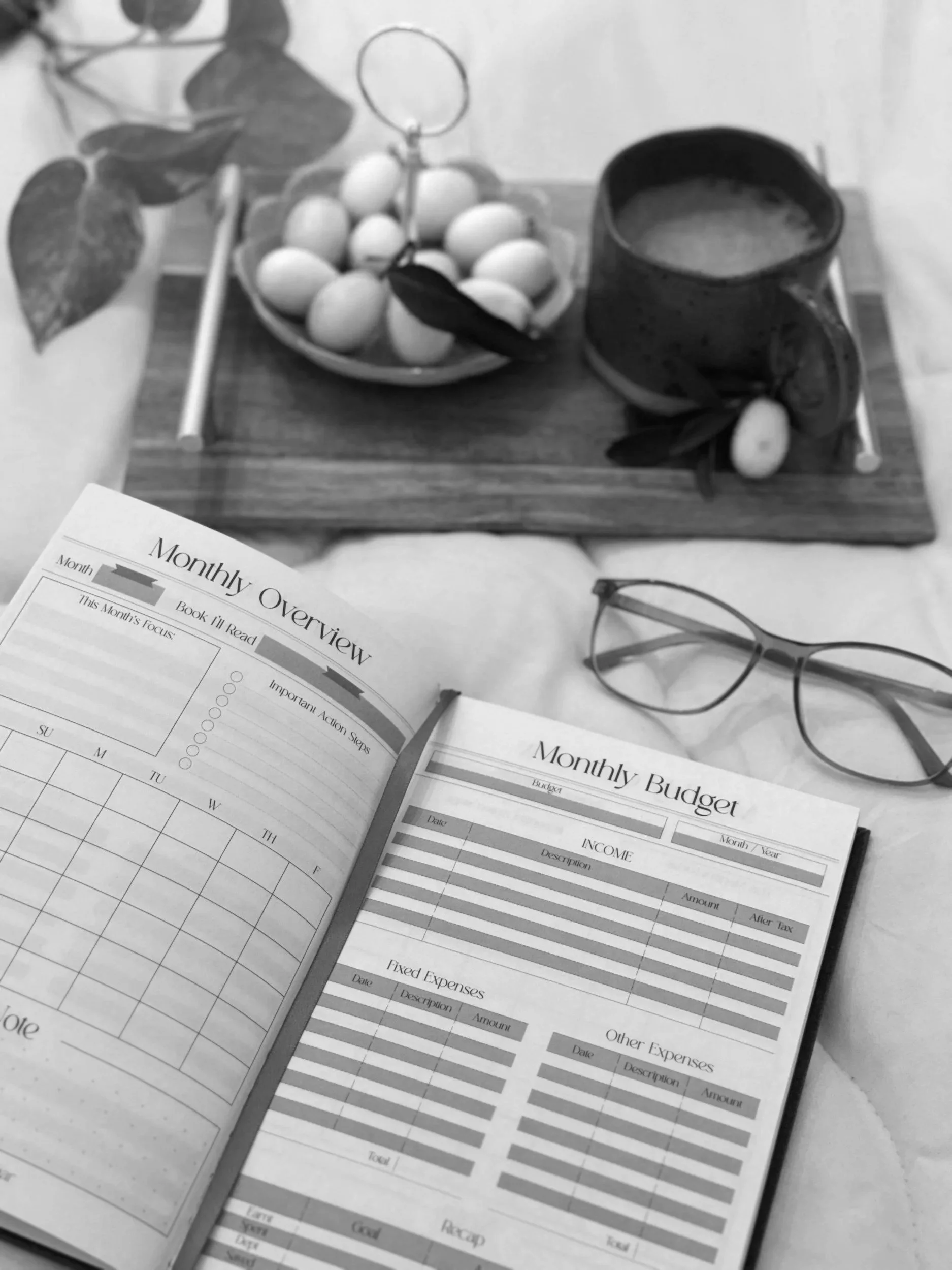
Here we are—those timeless two weeks between Christmas and the start of a new year. While I do relish a little time with family, a few slow days and naps, and a little extra cheese and wine, I simultaneously anticipate the fresh start that comes with January.
I'm already looking ahead, planning, setting goals, and rededicating time to what is important to me with regard to my business, family, fitness, and spirituality. As I consider each area of my life, I fall back on two scheduling strategies that have stood the test of time in my life for years: Time-Blocking and Under-Scheduling.
Time-Blocking
Before I launch into the months and weeks ahead, I set time aside to plan. I block out time on my calendar that I must allot for work, for family, for friends, and for myself, color-coding each category to help me see the thrust of each day at a glance. This also quickly enables me to determine if I've achieved balance.
Here are four steps to get you started with the time-blocking technique.
Schedule the important and the immovable first. Block out the hours you will be working. If certain blocks are task specific, you can enter a description like the name of a project you'll focus on. Block your standing appointments. Block the hours you'll be with your family, working out, or attending church, etc. The events in your life that are a priority, a requirement, or simply cannot be moved should be blocked out first. This includes downtime and rest. Make time first for what matters most.
Add in the flexible tasks. Next, block out time for the flexible things you need to do during the week. These are things that must get done, but aren't necessarily time sensitive, like going to the grocery store, returning an important phone call, or scheduling coffee with a friend.
Observe your energy cycles. If you are most alert and creative in the morning, schedule tasks that require your greatest amount of focus in those hours, leaving the more rudimentary tasks for the time of day when you feel less energized.
Think outside the box. As you schedule your week, notice which tasks are consistently put off, which cause you stress, and which don't really need your personal touch. Delegate and outsource what you can, even in your personal life, in order to free up more time. Occasionally, block a couple of hours one day just to knock out several little tasks that you've been procrastinating. Rethink the way you plan your week to see if you could approach stressful tasks at a better time or with more preparedness.
Under-Scheduling
Equally important, I discipline myself to resist the temptation to over-schedule. It's a delusion that adding more things to my calendar means I can get more things done. Instead, I only add more pressure to my day, never more time.
Here are my four principles for under-scheduling:
Allow slightly more time than is required for large tasks. Parkinson's Law states that "work expands so as to fill the time available for its completion." So, you'll have to discipline yourself to stay on task. The idea here is that we plan for interruptions and the unforeseen. Let's face it, most of us cannot lock ourselves into our offices and refuse to see people, check emails, and answer phone calls during a four-hour block while we tackle a large project. Things come up. Allow time for them. This practice enables you to avoid frequent frustration over not getting everything done. It may even give you a little boost of serotonin for finishing a task sooner than expected.
Take breaks. It may seem counterintuitive to one who is task-oriented and achievement-driven, but taking actual breaks increases productivity. Maximize your focus and creativity by disciplining yourself to disconnect. Set alarms if it helps you remain committed, but literally, get up and move. Consistently disengaging from your work is both physically and mentally rejuvenating.
Schedule margins. Limit what you are required to do, so you can give more time to what you desire to do. Even socially, don't overcommit. Leave two or three fifteen-minute margins in your day. These serve as little buffers to absorb the unexpected. Margins can also offer a much needed walk outside or a few minutes to enjoy a cup of coffee. On a broader scale, create longer margins. For instance, over the course of a week, give yourself a few hours or more on evenings and weekends that are completely unaccounted for. Another healthy practice we live by in our house are "zero-plans," meaning at least once or twice a month we block one to two days of a weekend, or even an afternoon if that’s all we can nail down, to make no plans except for the basics (laundry, grocery shopping, etc). In other words, don't schedule every waking moment. Respect rest and downtime. Margins are vital for healthy living.
Move things around and reorganize. Life happens. At the end of the day or week, assess what you were unable to complete. Make some adjustments so you can knock out an item or two or simply move it to another day. This is what I love most about time-blocking and under-scheduling with a digital calendar. It is easy to move things around, which is especially helpful if you’ve created margins because you have naturally given yourself a little wiggle room to move tasks and reorganize your schedule.
These simple strategies not only help me feel in control of my time, they give me awareness to schedule my time with intention and honor what is most important to me. We all know the alternative is becoming a slave to tasks and expectations.
Experiment with the methods and find a rhythm that works for you. I hope these two strategies set you up for success this year and beyond. I'll share one more quick resource that I’ve used for over eight years. It’s a goal-setting book from Ink + Volt, laid out exactly the way my mind thinks and organizes yearly goals, which can be broken down into monthly/weekly/daily projects and tasks. And it guides you to schedule them on a calendar so they are more likely to get done. Check it out here: Ink + Volt.
Free Publishing Guide from Andria Flores
If we haven’t met yet, I am Andria Flores: author, editor, and recovering perfectionist. For more articles like this one, connection to a supportive author network, and trusted publishing resources, subscribe to my newsletter today. When you do, I’ll send you my free Publishing Guide as a gift (and I won’t blow up your inbox every week.) My 40+ page eBook is a step-by-step guide through the publishing process, including proven tips, tricks, and links you can use along the way. Get yours here!
Let’s connect! Message me here.