AI: Does It Have a Place in the Writing Industry?
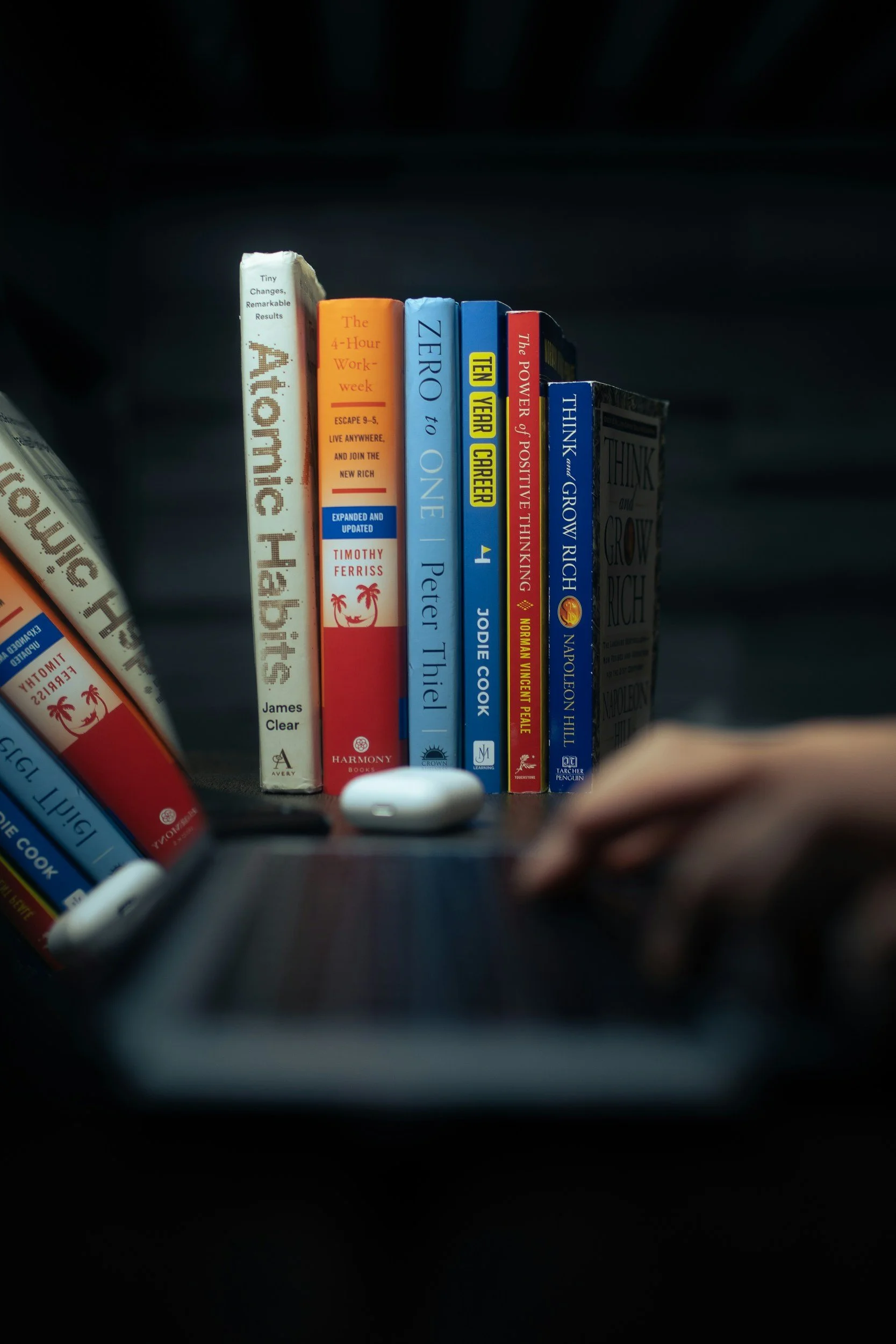
AI suddenly emerged and quickly evolved on the writing scene. As writers, editors, and readers, what does this mean for us? Like everyone else, I find myself constantly questioning (and revising my own opinions) on an acceptable place for AI in the writing industry.
Some uses are a staunch “Hell, no!” for me, like: Do I want to produce or read an AI-generated book? Hell, no! Or do I think AI should be outright dismantled and forbidden? Also, a no. Maybe not as strong as the first , but I grew up in the generation of libraries, microfiche, and checked out books, Encyclopedias and asking my parents. So I know quality writing can be done quite well without AI. So what of this grey area in between? And who gets to determine what is acceptable and unacceptable?
AI as a Tool
Stories were once passed down verbally, then various instruments of ink and paper, then typewriters, word processors, and computers. Today, we read from paperbacks, hard backs, eReaders, and smart phones. Is AI just one more advancement for reading and writing? I have entered this area with caution.
One area I have reluctantly dipped my toe in the water with AI has been for quickly pulling together research to write articles for clients on topics I know little to nothing about. My personal examples range from Winterizing Your HVAC System, to Baseline Wellness Assessments, to Strategic Planning for Municipalities. In all of these cases, my clients know up front that I use AI to generate research and talking points, then I write the articles from there myself.
These articles are then published on websites to educate their users, create newsletters and blogs, and boost SEO. Because I must research these topics one way or another, I have no issue utilizing AI (and other internet sources) to research and gather points for me to then flesh out. What I do not do is ask AI to write the articles for me and subsequently pass them off as my own work.
AI Ethics
Utilizing AI to write a book, or passages within a book, for me is a strict no-go. It is a violation of the reader’s trust, laziness on behalf of the author, and often times leads to plagiarism. I’ll give you a personal example from my own recent experience as an editor.
Not long ago, a brand new client submitted his editorialized nonfiction book to me to edit. I lightly reviewed the material and gave him a proposal, as is my practice. Once accepted, I began the edit. Not far into the material, I acknowledged his voice and writing style. Halfway through, I began to notice sections or passages that deviated from his voice and style, but they were not overt enough to slow me down, just make a curious mental note. A little further in, it became glaringly obvious that he was inserting passages that just couldn’t have been his own voice.
I began copy and pasting questionable sections into Google to find out more. Frequently, Google concurred with me that the passages seemed to be generated by AI—not conclusive evidence, but enough to confirm my suspicions. I continued checking other passages with increasing concern. That’s when I discovered the author had lifted—plagiarized—other writer’s content, word for word, from highly regarded print and online publications. When I returned the edited manuscript to him, you can bet I had highlighted and cited his sources in plain view. I called him out on it, and I prohibited him from associating my name in any way with his book. Appalled, I went as far as insisting that he never contact me again.
Fuming, I felt as if I had personally been violated, lied to, and led to believe that the manuscript was his original content, when in fact it included multiple AI-generated passages and verified plagiarism. This is the very practice that leads readers to question or distrust an author. I can not imagine how anyone could possibly assemble material into a manuscript, pass it off as their own work to an editor, and fully intend to move forward with publication. I do not know whether he pursued publication after that.
Where Do We Go from Here?
I don’t know, but I am willing to be a part of the conversation. Like most things in life, balance and moderation are often a good place to start. AI is neither all bad nor all good. How it is used, for what purposes and intents, and even our transparency and disclosure all help shape its ethical and appropriate use.
Full Disclosure
When I sat down to write this very article, I asked Chat GPT and Claude some questions about AI as it relates to writers.
So, how much of what you just read is AI-generated? Zero. Zilch. Nada. It’s not because I didn’t receive some relevant information about the pros and cons and controversies of AI. It’s not even because I couldn’t swallow the irony of using AI to tell me about itself as it relates to the writing industry. In the end, it was because nothing I read in the research hit the nail on the head for me about how I actually feel about AI, which is in many ways still evolving.
And that’s just it, isn’t it? At least a big part of it. AI is great at pulling together facts and information (as they appear and are available on the flawed internet), but it can never authentically convey real human emotion, experience, or thought because it has no access to these things. We do.
What I know, and have attempted to share here, is:
One, I don’t want to read or write AI-generated books.
And two, I only find AI useful and ethical as a limited tool.
I am still defining boundaries and nuances for its use. I am curious, thoughtful, and guarded about AI, but I am also open to learning, growing, and evolving.
What about you? I am so interested in the thoughts, experiences, ideas, and questions that others in the writing industry have about AI. Please join the conversation with me here:
Email Me Directly
Contact Me Here
Free Publishing Guide from Andria Flores
If we haven’t met yet, I am Andria Flores: author, editor, and recovering perfectionist. For more articles like this one, connection to a supportive author network, and trusted publishing resources, subscribe to my newsletter today. When you do, I’ll send you my free Publishing Guide as a gift (and I won’t blow up your inbox every week.) My 40+ page eBook is a step-by-step guide through the publishing process, including proven tips, tricks, and links you can use along the way. Get yours here!
Let’s connect! Message me here.